
In the complex landscape of consumer credit, few financial tools offer the flexibility and broad utility of a personal loan. Unlike a mortgage (secured by a house) or a credit card (a revolving line of credit), a personal loan is a straightforward, lump-sum installment loan that serves as a financial bridge for a wide variety of needs.
For individuals seeking clarity, debt consolidation, or a way to finance a significant purchase, understanding the core mechanics of a personal loan is the essential first step toward making a smart financial decision.
What is a Personal Loan and How Does it Work?
The concept of a personal loan is simple: a lender provides you with a fixed amount of cash, which you agree to repay over a set period (the term), in predictable monthly installments, plus interest. This type of loan is versatile—the funds can generally be used for almost any purpose, from consolidating high-interest credit card debt to funding a major home repair or a wedding.
The Core Definition
A personal loan is an installment loan. This means it has three defining characteristics that set it apart from other types of debt:
- Fixed Principal: You borrow a specific, one-time amount (The Principal).
- Fixed Term: You have a predetermined period (e.g., 24, 36, or 60 months) to repay the loan.
Fixed Repayments: Your monthly payment amount remains constant throughout the life of the loan, allowing for easy budgeting.
Distinguishing Personal Loans from Other Consumer Debts
| Loan Type | Key Characteristic | Common Use Case |
| Personal Loan | Lump sum, fixed payment, flexible use (often unsecured). | Debt consolidation, unexpected expenses. |
| Credit Card | Revolving credit, variable interest, no set end date. | Daily purchases, short-term borrowing. |
| Mortgage | Secured by real estate, long term (15-30 years). | Purchasing a home. |
| Auto Loan | Secured by the vehicle, specific purchase. | Purchasing a car. |
The Mechanics: How a Personal Loan Works
The process is generally quick, especially with online lenders, but it follows a set structure
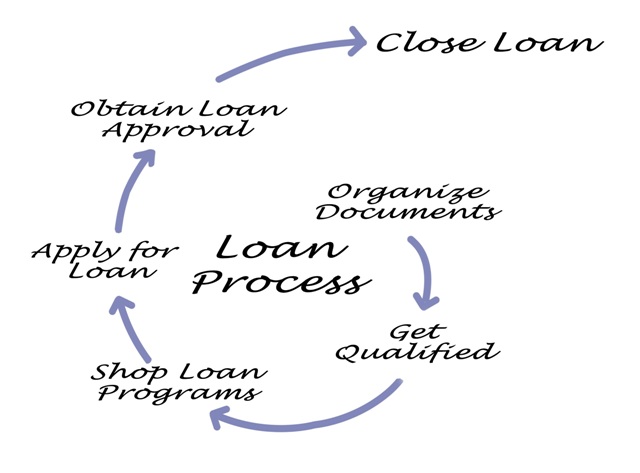
1. Application and Underwriting
When you apply for a personal loan, the lender—be it a bank, credit union, or online provider—will evaluate your creditworthiness. This is done by reviewing three primary factors:
- Your credit score and history (to gauge repayment risk).
- Your income (to ensure you have the financial capacity to pay).
- Your Debt-to-Income (DTI) ratio (your total monthly debt payments divided by your gross monthly income).
2. Funds Disbursement (Lump Sum)
If approved, the lender will provide you with a loan offer detailing the principal, the Annual Percentage Rate (APR), and the repayment schedule. Once you accept, the full loan amount, minus any upfront fees, is deposited directly into your bank account.
3. Fixed Repayment Schedule (Amortization)
Repayment begins according to the set schedule. The term is amortized, meaning each monthly payment consists of two parts: a portion that pays down the principal and a portion that covers the interest accrued.
Expert Insight: In the early months of the loan, a larger percentage of your payment goes toward interest. As the loan matures, a larger percentage goes toward reducing the principal, which is why paying extra can significantly cut down the total interest paid over the life of the loan.
The Crucial Difference: Secured vs. Unsecured Personal Loans
While the term “personal loan” often defaults to the unsecured variety, it is critical to understand the difference, as it impacts everything from the interest rate you receive to your personal financial risk.
Unsecured Personal Loans (The Standard)
- Definition: The lender provides the loan based solely on the borrower’s promise to repay, backed by their financial track record (credit score and income).
- Collateral: None required. Your assets (home, car, savings) are not on the line.
- Risk: This is higher-risk for the lender.
- Borrower Impact: Because the lender has less security, unsecured personal loans typically have stricter credit score requirements and may carry higher interest rates than secured loans. They are, however, the most common and popular choice for debt consolidation and flexible spending.
Secured Personal Loans (The Exception)
- Definition: The loan is backed by a valuable asset, known as collateral.
- Collateral: Required. The asset could be a savings account, a Certificate of Deposit (CD), or sometimes a vehicle.
- Risk: This is lower-risk for the lender.
- Borrower Impact: Because the risk is lower, secured loans often come with lower interest rates and may be an option for borrowers who do not qualify for an unsecured loan due to a lower credit score.
The Major Drawback: If you fail to repay the loan (default), the lender has the legal right to seize and sell the collateral to recoup their loss.
Personal Loan Terms Explained: APR, Origination Fees, and Repayment Schedules
A savvy borrower must look past the simple interest rate to understand the true cost of borrowing. This is determined by the three most important loan terms:
1. Annual Percentage Rate (APR)
The APR is the most important number to compare across lenders. It represents the total annual cost of the loan, expressed as a percentage.
APR = Interest Rate + Fees (like the Origination Fee)
Always compare the APR, not just the base interest rate, as it provides a standardized, apples-to-apples comparison of the loan’s comprehensive yearly cost.
2. Origination Fees (The Upfront Cost)
An origination fee is a one-time charge levied by some lenders for processing the loan application, underwriting, and funding.
- How it Works: It is typically expressed as a percentage of the total loan amount (e.g., 1% to 8%). This fee is almost always deducted from your loan proceeds before the funds are disbursed.
- Example: If you apply for a $10,000 loan with a 5% origination fee, you will only receive $9,500 in your bank account, but you will still be responsible for repaying the full $10,000 (plus interest).
3. Repayment Schedules (The Term)
The term you choose (e.g., 3 years vs. 5 years) directly impacts both your monthly payment and the total interest you pay:
- Longer Term (e.g., 5 years): Results in a lower monthly payment, but you pay more total interest over the life of the loan.
- Shorter Term (e.g., 3 years): Results in a higher monthly payment, but you pay less total interest and get out of debt sooner.